Exercise Is Medicine—And It Does More Than You Think
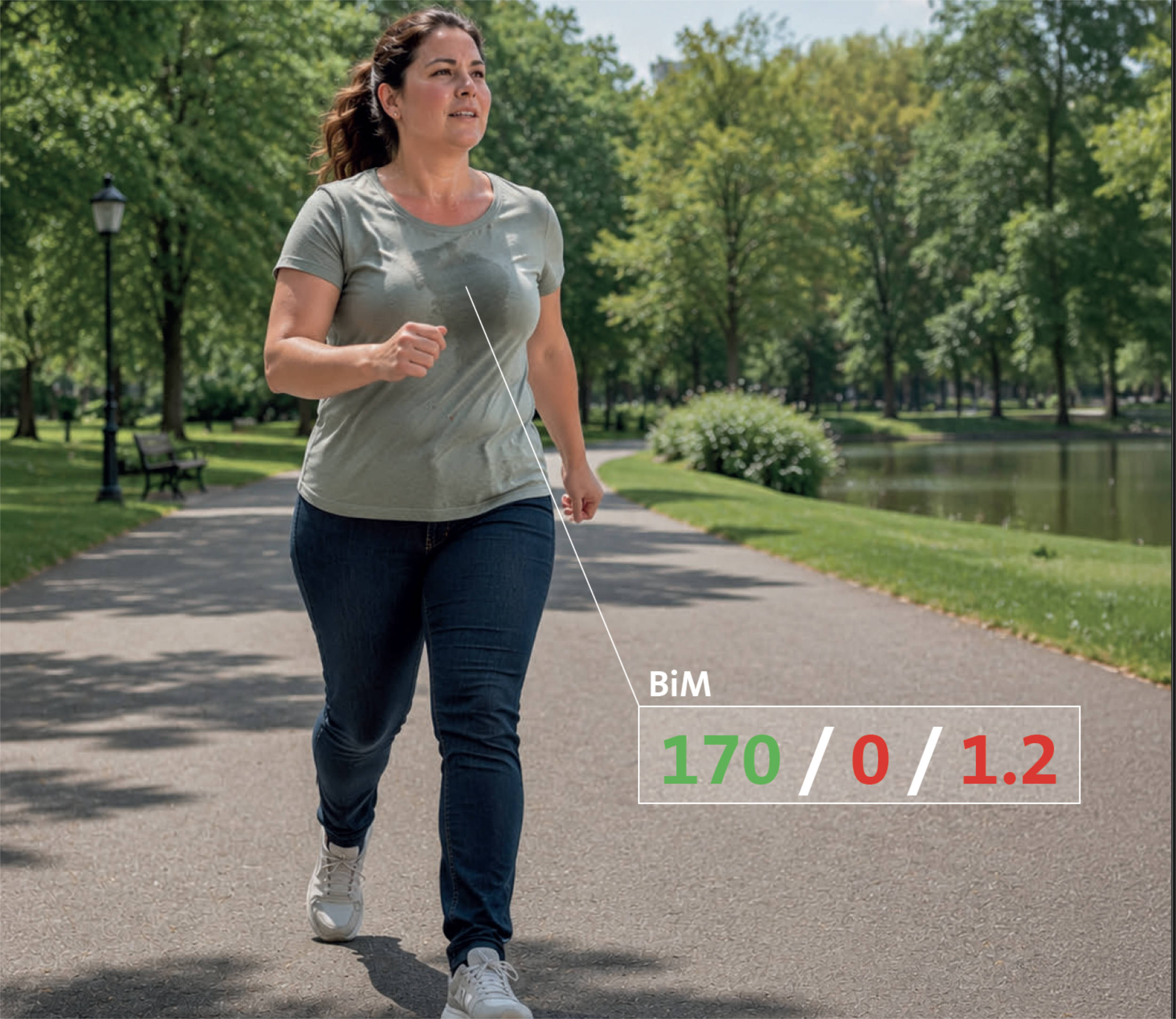
Exercise doesn’t just protect the heart. It sharpens the memory, stabilizes mental health, and slows down the aging process. Even small changes can lead to lasting improvements in quality of life. The question isn’t whether exercise is beneficial—it’s how much. And that’s exactly what very few people know.
Physical activity is one of the most effective remedies known to medicine. It helps prevent heart disease, type 2 diabetes, dementia, and certain types of cancer. At the same time, it is also an effective treatment for existing conditions such as high blood pressure, osteoarthritis, COPD, and depression. People who exercise regularly reduce their risk of cardiovascular disease, type 2 diabetes, and certain types of cancer by 20 to 40 percent, depending on the condition.
The evidence is clear, but putting it into practice in everyday life is a challenge. The problem isn’t so much a lack of willpower as it is a lack of understanding of which everyday activities – even at a moderate intensity – can already make a difference. The challenge lies, in particular, in assessing the intensity of everyday physical activity and dosing it correctly.
At our booth, you’ll get active yourself: At three stations, you’ll measure your heart rate, experience the difference between moderate and intense exertion, and learn what this activity reveals about your daily life. Each exercise is relevant to everyday life, requires no prior knowledge, and takes only a few minutes.
By the end, you’ll know your personal “Exercise Is Medicine” score (BiM score): three numbers that show where you stand. At the booth, you’ll discover various ways to integrate exercise into your daily life in an optimal and properly balanced way, and receive tips from experts.
More information: